India Tests First 100% Electric Hydrofoil Passenger Ferry, Swedish-Made Candela P-12 Set to Transform Coastal Travel

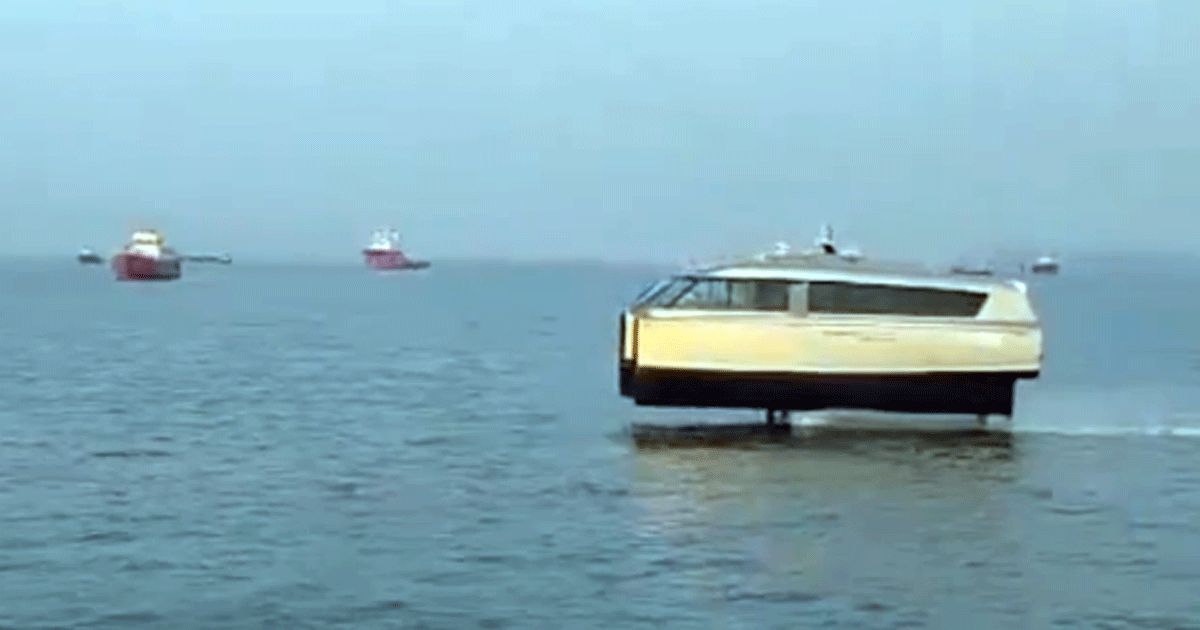
Mumbai: India has achieved a significant milestone in sustainable maritime transportation with the successful testing of the country’s first fully electric hydrofoil passenger vessel, the Swedish-made Candela P-12, in the coastal waters of Mumbai.
The high-speed ferry, imported from Sweden, is expected to usher in a new era of cleaner, faster and more energy-efficient passenger transportation along India’s coastline. The successful trials mark an important step towards introducing advanced electric water transport in Maharashtra, particularly across Mumbai and its neighbouring coastal destinations.
The initiative is a joint effort involving the Maharashtra government, Rural Enhancers Group and Saadhav Shipyards Limited, with the Maharashtra Maritime Board playing a key role in advancing modern maritime infrastructure.
Maharashtra Chief Minister Devendra Fadnavis and State Ports Minister Nitesh Rane have been associated with the initiative, which aims to bring international maritime technology to India and strengthen sustainable water-based mobility.
Revolutionary Hydrofoil Technology
What makes the Candela P-12 different from conventional passenger ferries is its advanced hydrofoil technology.
Unlike traditional boats that move through water with their hulls submerged, the P-12 uses specially designed, computer-controlled underwater wings, known as hydrofoils. Once the vessel reaches a certain speed, these wings generate lift, raising the hull above the water’s surface.
India’s First 100% Electric Hydrofoil Vessel Undergoes Successful Trials in Maharashtra!
A major milestone in India’s sustainable maritime journey! India’s first fully electric Candela P-12 hydrofoil vessel, imported from Sweden, is undergoing successful trials in Maharashtra.
Under the visionary leadership of Hon’ble Chief Minister Shri Devendraji Fadnavis and Minister of Ports Shri Niteshji Rane, this joint initiative of the Government of Maharashtra, Rural Enhancers Group, and Saadhav Shipyards Limited showcases the Maharashtra Maritime Board’s commitment to bringing world-class maritime technologies to India, positioning Maharashtra at the forefront of sustainable water transportation.
@Dev_Fadnavis @CMOMaharashtra— Nitesh Rane (@NiteshNRane) November 20, 2026
This dramatically reduces water resistance, allowing the vessel to travel faster while consuming considerably less energy.
The technology also improves passenger comfort by reducing the impact of waves, vibrations and sudden movements. The vessel is designed to provide a smoother and quieter journey, even in relatively challenging coastal conditions.
Entirely Electric, Zero Direct Emissions
Powered entirely by electricity, the Candela P-12 does not require conventional marine diesel fuel for propulsion. It therefore produces no direct exhaust emissions during operation and significantly reduces noise pollution.
According to its Swedish manufacturer, Candela, hydrofoil technology can reduce energy consumption by around 80 per cent compared with conventional vessels operating at similar speeds.
The company’s technical specifications indicate a service speed of approximately 25 knots (46 kmph) and a range of up to 40 nautical miles (approximately 74 kilometres) on a single charge, depending on operating conditions.
The vessel’s combination of speed, energy efficiency and low emissions makes it a potentially attractive alternative to conventional diesel-powered ferries.
Mumbai’s Water Transport Network to Get a Boost
The introduction of the Candela P-12 is closely linked to Maharashtra’s broader ambition to develop an integrated water transport network across the Mumbai Metropolitan Region.
Initial services are planned on important coastal routes, including Gateway of India–Alibaug/Mandwa and Versova–Madh. The proposed network is expected to provide commuters and tourists with additional transportation options while reducing pressure on Mumbai’s congested roads.
Reports indicate that 11 Candela P-12 vessels have been ordered for the proposed services. Each ferry is reported to have a passenger capacity of around 30, although final operational configurations and approvals will determine the actual capacity.
The larger Mumbai Water Metro project envisages expanding the region’s waterways and developing modern terminals and passenger connections.
A New Chapter in India’s Green Maritime Revolution
The successful testing of the Candela P-12 could have implications beyond Mumbai. With its extensive coastline, numerous islands and growing demand for efficient coastal connectivity, India has considerable potential for electric passenger vessels.
The technology could eventually benefit ferry services connecting coastal towns, islands, tourist destinations and major urban centres.
However, commercial operations will depend on regulatory approvals, charging infrastructure, operational safety assessments and the development of supporting facilities.
If successfully implemented, the initiative could represent a major shift in India’s passenger water transport sector, demonstrating how advanced electric propulsion and innovative engineering can make coastal mobility faster, quieter and environmentally cleaner.